
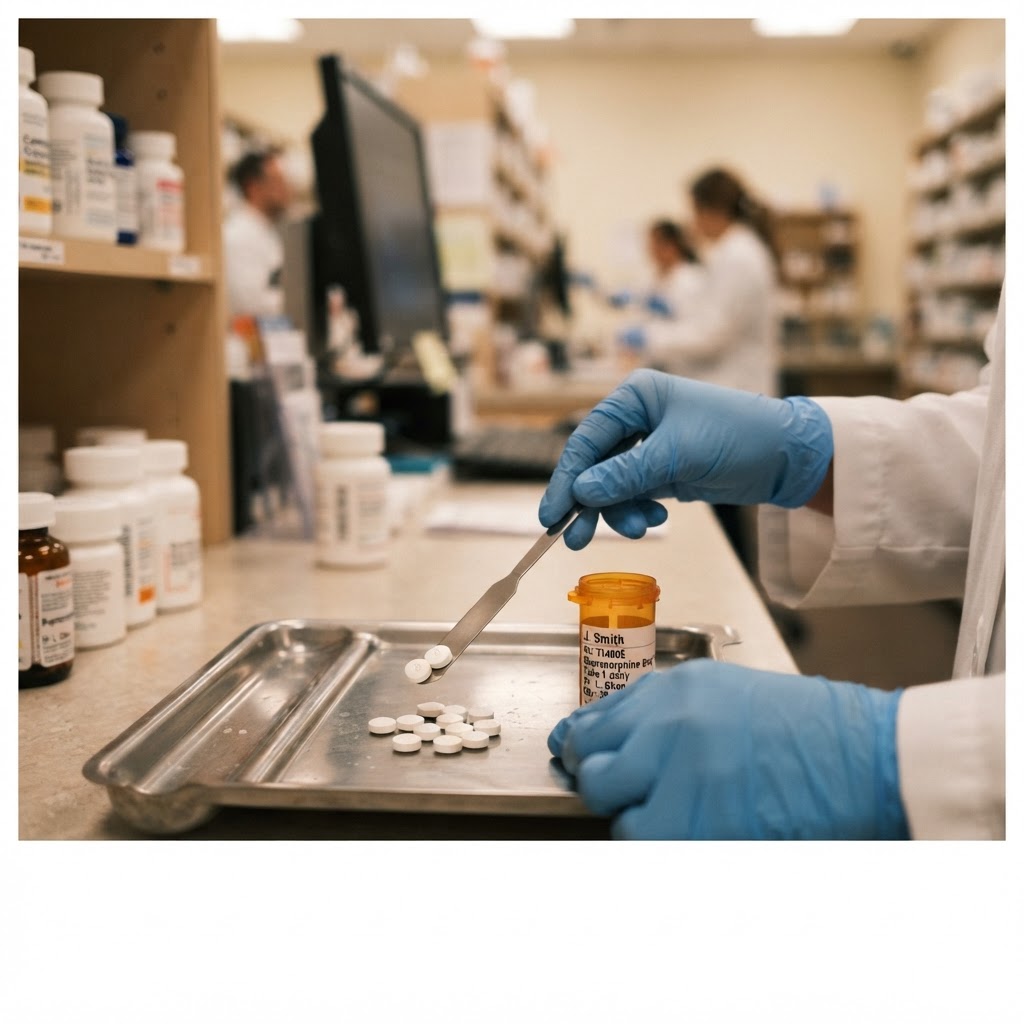
Buprenorphine Treatment Burbank: How It Works and What to Expect
Buprenorphine treatment near Burbank offers one of the most scientifically advanced and clinically proven approaches to overcoming opioid use disorder. As a partial opioid agonist, buprenorphine occupies a unique therapeutic position — powerful enough to eliminate withdrawal symptoms and reduce cravings, yet inherently safer than full opioid agonists due to its ceiling effect on respiratory depression. Pink Chances Med Corp, a Joint Commission-accredited outpatient opioid treatment clinic located at 7341 Foothill Blvd, Suite 204, Tujunga, CA (just 8 miles from Burbank), provides individualized buprenorphine treatment for adults seeking lasting opioid recovery.
What Is Buprenorphine?
Buprenorphine is a semisynthetic opioid medication derived from thebaine, a natural component of the opium poppy. First approved by the FDA in 2002 for the treatment of opioid use disorder, buprenorphine revolutionized addiction medicine by enabling office-based treatment of opioid dependence outside of specialized methadone clinics. It is available in several formulations:
- Suboxone: Buprenorphine combined with naloxone in a sublingual film or tablet
- Subutex: Buprenorphine-only formulation (primarily for pregnant patients)
- Sublocade: Monthly injectable buprenorphine for patients who prefer injection over daily sublingual dosing
- Probuphine: Six-month subdermal implant providing continuous buprenorphine release
At Pink Chances Med Corp, our physicians select the most appropriate formulation based on each patient's individual clinical needs, lifestyle, and preferences as part of our comprehensive Medication-Assisted Treatment (MAT) program.
The Mechanism of Action: How Buprenorphine Works
Partial Agonist Activity
Unlike full opioid agonists such as heroin, oxycodone, or methadone, buprenorphine is a partial agonist at the mu-opioid receptor. This means it activates the receptor but produces a submaximal response — sufficient to prevent withdrawal and suppress cravings but not enough to generate the intense euphoria that drives compulsive opioid use. This partial agonism is the foundation of buprenorphine's favorable safety profile.
The Ceiling Effect
One of buprenorphine's most important safety features is its ceiling effect on respiratory depression. At doses above a certain threshold, increasing the buprenorphine dose does not produce proportionally greater respiratory suppression — the primary cause of opioid overdose death. This pharmacological property makes buprenorphine significantly safer than full opioid agonists, particularly in cases of accidental ingestion or dose escalation.
High Receptor Affinity
Buprenorphine binds to mu-opioid receptors with exceptionally high affinity — meaning it attaches more strongly than most other opioids. This high binding affinity has two important clinical consequences: it prevents other opioids from effectively binding and producing euphoric effects, and it means that once stable, patients experience consistent symptom control without the peaks and troughs associated with shorter-acting opioids.
Long Duration of Action
Buprenorphine has a half-life of 24 to 42 hours, allowing effective symptom management with once-daily or twice-daily dosing in most patients. This long duration of action is particularly convenient for Burbank's entertainment industry professionals, who often work long and irregular hours that make frequent medication schedules impractical.
The Buprenorphine Treatment Process at Pink Chances Med Corp
Pre-Treatment Medical Screening
Before beginning buprenorphine treatment, every patient undergoes comprehensive medical screening. This includes a detailed health history review, physical examination, laboratory testing for infectious diseases and organ function, psychiatric screening, and a thorough assessment of opioid use patterns and history. This information guides the development of a safe, individualized treatment plan.
Induction: Starting Buprenorphine Safely
The induction phase is the most clinically critical period of buprenorphine treatment. Because buprenorphine's high receptor affinity means it will displace any opioids already present in the brain's receptors, starting buprenorphine while full opioids are still active can trigger precipitated withdrawal — a sudden, severe onset of withdrawal symptoms. To prevent this, patients must be in mild-to-moderate spontaneous withdrawal before their first buprenorphine dose. Our physicians guide patients through this process step-by-step, ensuring safety and minimizing discomfort.
For patients transitioning from fentanyl — a particularly long-acting and highly lipophilic opioid — induction requires additional clinical expertise. Pink Chances Med Corp has extensive experience managing buprenorphine induction for patients with fentanyl use disorder, including low-dose (Bernese) induction protocols where appropriate.
Stabilization and Maintenance
Following induction, patients enter a stabilization phase during which the buprenorphine dose is carefully titrated to achieve maximum symptom control with minimal side effects. Once stabilized, patients enter the maintenance phase — the longest phase of treatment — during which they take their prescribed buprenorphine dose regularly and attend scheduled counseling and medical appointments.
Counseling Integration
At Pink Chances Med Corp, buprenorphine medication is always paired with therapeutic support. Patients participate in individual counseling and group counseling throughout their treatment. These sessions address the psychological roots of addiction, build essential life skills, and create a recovery community that extends beyond the clinic walls.
Relapse Prevention
Integrated relapse prevention education helps patients develop the specific cognitive and behavioral tools needed to maintain recovery when faced with triggers, cravings, or high-risk situations. In Burbank's entertainment-saturated environment, where social events involving substances are common, these skills are essential.
Case Management
Our case management team provides advocacy and resource connection to help patients address employment, housing, financial, legal, or family challenges that arise during recovery — ensuring that practical obstacles don't derail clinical progress.
Who Is a Good Candidate for Buprenorphine Treatment?
Buprenorphine is appropriate for adults with opioid use disorder involving prescription opioids, heroin, or synthetic opioids including fentanyl. It is an excellent option for patients who:
- Prefer an office-based treatment setting with greater flexibility than daily methadone clinic visits
- Have moderate-to-severe opioid use disorder with manageable levels of dependence
- Are highly motivated for recovery and able to adhere to medication schedules
- Have no contraindications to buprenorphine based on medical screening
For information on treatment resources outside our clinic, the National Institute on Drug Abuse (NIDA) offers extensive educational resources on buprenorphine and other treatments for opioid use disorder.
Getting to Pink Chances Med Corp from Burbank
Our clinic is located approximately 8 miles north of Burbank — about a 20-minute drive along Foothill Boulevard through the scenic communities of Shadow Hills and Sunland. Visit our Burbank page for directions and parking details, or explore all communities we serve via our service area page. You can also contact us online to schedule your intake appointment.
Frequently Asked Questions
How long does buprenorphine treatment last?
Treatment duration is determined by individual patient needs and recovery goals. SAMHSA recommends a minimum of 12 months of treatment, and many patients benefit from multi-year maintenance. Tapering is always done collaboratively and gradually under physician supervision.
Does buprenorphine show up on a drug test?
Standard urine drug screens do not typically detect buprenorphine unless specifically tested. Most employers use standard panels that do not include buprenorphine. Patients are encouraged to discuss any workplace drug testing concerns with their treatment team.
Is buprenorphine safe during pregnancy?
Yes. Buprenorphine (typically as Subutex rather than Suboxone) is considered safe and recommended for pregnant women with opioid use disorder. It is far safer than continued illicit opioid use during pregnancy. Prenatal care coordination is provided as part of our case management services.
What are common side effects of buprenorphine?
Common side effects during initiation include nausea, headache, constipation, and insomnia. Most side effects diminish as the body adjusts to the medication. Our physicians proactively manage any side effects that arise during treatment.
Key Takeaways
- Buprenorphine is a partial opioid agonist that reduces cravings and withdrawal without the intense euphoria of full agonists, supported by a ceiling effect on respiratory depression.
- It is available in multiple formulations — sublingual films, monthly injections, and implants — allowing individualized treatment approaches.
- The induction process requires careful clinical management, particularly for patients transitioning from fentanyl, to prevent precipitated withdrawal.
- Pink Chances Med Corp integrates buprenorphine with counseling, relapse prevention, and case management for comprehensive whole-person recovery.
- Burbank residents can access buprenorphine treatment at our Tujunga clinic — just 8 miles away — by calling (888) 821-PINK.
Buprenorphine treatment can restore neurological stability and open the door to lasting recovery. Call (888) 821-PINK today to speak with our caring staff about starting your recovery journey.